Digital Publishing
ePaper SEO: How to Get Your Digital Editions Indexed by Google
Most ePapers are invisible to Google. Learn the technical and content strategies to ensure your digital stories show up in search results.

For many years, the ePaper was considered an 'SEO dead end'. Because ePapers were often just collections of images, search engines like Google couldn't 'read' the content. A breaking news story on page one of your digital edition might never show up in a search query because it was trapped inside a flat JPEG.
That has changed. Modern ePaper technology allows publishers to turn their editions into SEO goldmines. By making your digital pages indexable, you can capture long-tail traffic from readers searching for local news, specific names, or historical events.
In this guide, we'll walk through the technical requirements and editorial best practices for ePaper SEO, specifically tailored for Indian newspapers looking to dominate their local search landscape.
Why SEO is Critical for Digital Newspapers
Social media traffic is volatile. Algorithms change, and your reach can disappear overnight. Search traffic, however, is intent-based and much more stable. When someone searches for 'Latest news in [Your City]', you want your ePaper front page to be there.
Furthermore, an indexed archive is a powerful asset. Every day you publish an edition, you are adding 50+ pages of high-quality, local content to the web. Over a year, that's nearly 20,000 pages that can drive traffic to your subscription or pricing pages.
The Technical Foundation of ePaper SEO
Text Layer Extraction
The most important technical requirement is text extraction. Your ePaper CMS must be able to read the hidden text layer inside your PDF and present it to search bots in a way they can understand (typically via hidden HTML or metadata).
Sitemaps and Clean URLs
Every edition and every page needs a unique, permanent URL. Avoid 'session IDs' or temporary links that change. Your platform should automatically generate an XML sitemap that tells Google exactly where to find your new editions every morning.
- Use descriptive URLs like /epaper/2026/08/01/page-1/.
- Ensure the platform supports Schema.org markup for NewsArticles.
- Verify your site in Google Search Console to monitor crawl errors.
On-Page Optimization for Newspaper Pages
Just like a blog post, an ePaper page needs metadata. This includes title tags and meta descriptions. A good system will automatically use the edition date and publication name, but allowing manual overrides for 'Special Editions' is a huge advantage.
With area mapping, you can go even further. Each 'clip' can have its own title and description. If a reader shares a clip of a local cricket match, that specific clip's page should have SEO metadata relevant to that match, not just the general newspaper name.
Mobile SEO and Core Web Vitals
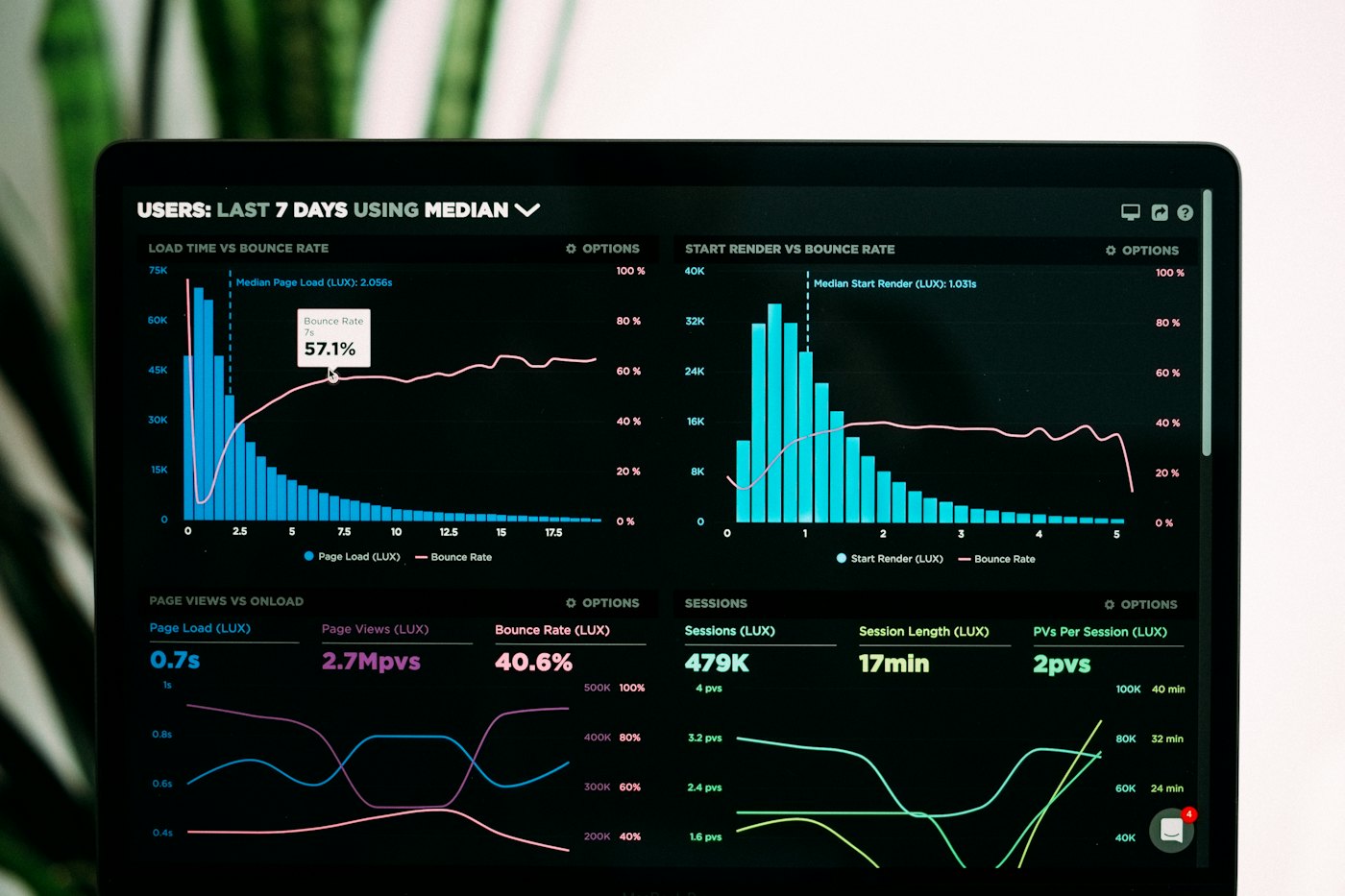
In India, Google's mobile-first indexing is paramount. If your ePaper is slow or hard to navigate on a phone, Google will penalize you. High Core Web Vitals scores—specifically LCP (Largest Contentful Paint)—are vital.
This is where CDN delivery comes in. By serving your page images from servers close to the reader, you reduce latency and improve SEO scores. All ePaperOS plans include global CDN delivery as standard, which is why our papers often rank higher than those hosted on local, slower servers.
Leveraging Your Archive for Long-Tail Traffic
Your biggest SEO asset is your history. By keeping your back issues online and indexable, you capture 'historical' search traffic. People researching local history, family obituaries, or past political events will find your pages years after they were published.
An ePaper archive is not just a library; it's a 24/7 lead generation engine for your digital brand.
Ensure your archive is not hidden behind a 'hard paywall' for search bots. You can use 'Flexible Sampling' to let Google see the content while still requiring readers to subscribe to read the full high-resolution version.
Frequently asked questions
To some extent yes, but it is much more reliable to provide a dedicated text layer through your ePaper platform.
If you have a clean sitemap and submit it to Search Console, it can happen in as little as a few hours.
Generally, yes. Every page is a unique piece of content that could be the answer to someone's search query.
Related articles

Digital Publishing
Digital Newspaper vs. PDF: What's the Real Difference?
Posting a PDF online isn't the same as publishing a digital newspaper. Here's what separates the two, and why the difference matters for readers and revenue.
· 6 min read

Publishing Technology
The Benefits of Cloud ePaper Software for Publishers
Cloud ePaper software changes how publishers host, deliver and scale digital editions. Here's what that actually means in practice.
· 6 min read

Digital Publishing
How to Build a Digital Newspaper Website
Everything a publisher needs to know before building a digital newspaper website, from platform choice to launch day.
· 7 min read