ePaper
What Is an ePaper? A Complete Guide for Publishers
ePaper has become the standard way publishers deliver print-style editions online. Here's what it means, how it works, and why it matters.

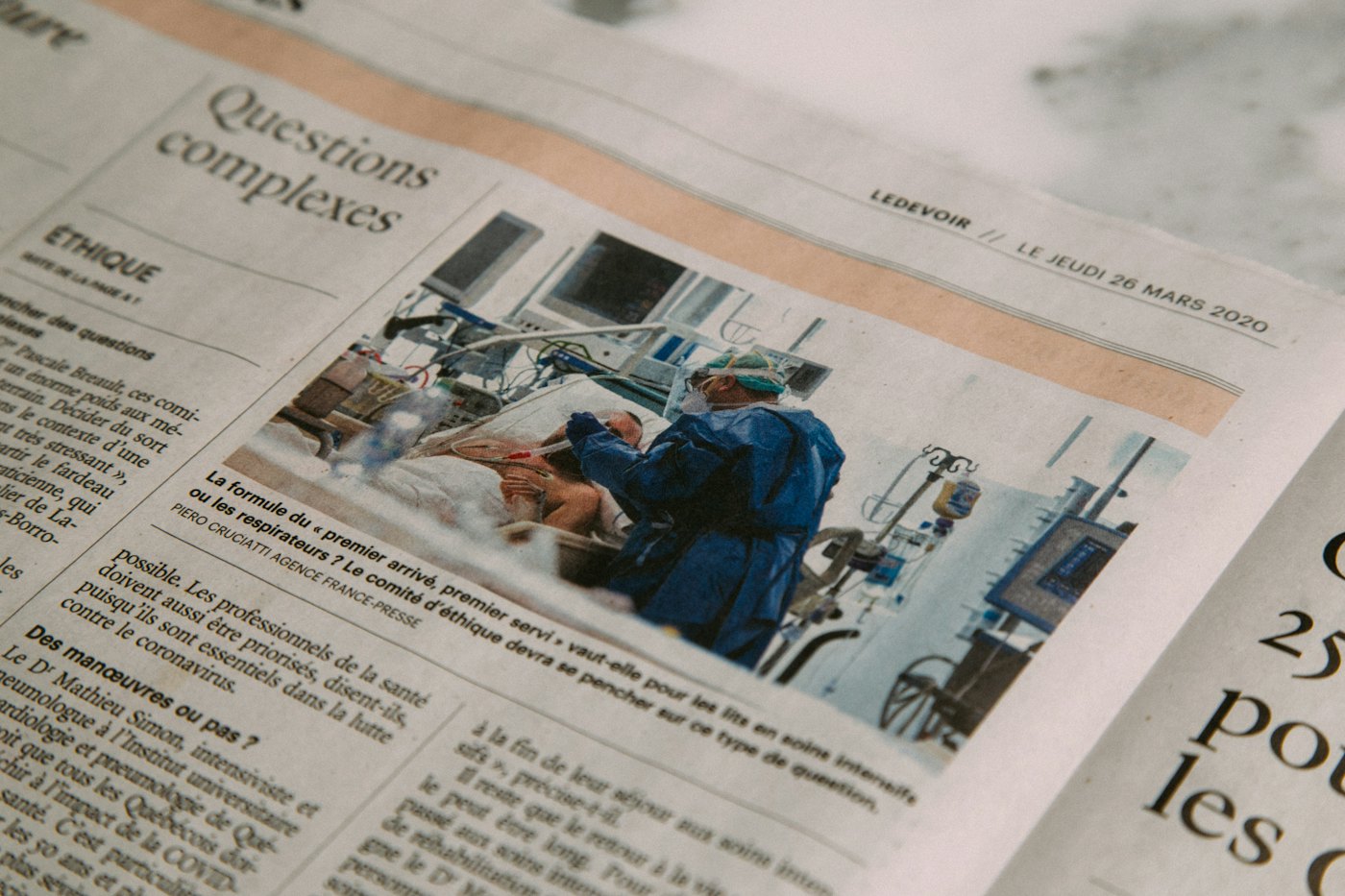
If you've ever flipped through a digital replica of a newspaper on your phone, complete with page turns, headlines, and photographs exactly as they appeared in print, you've used an ePaper. For publishers, the word "ePaper" has come to mean something quite specific: a digital edition of a printed newspaper or magazine that preserves the original page layout while adding features print can never offer, like search, sharing, and archives.
This guide explains what an ePaper actually is, how it differs from simply uploading a PDF to your website, and why publishers across newspapers, magazines, and local media are investing in dedicated ePaper platforms rather than ad-hoc solutions.
Defining an ePaper
An ePaper, short for electronic paper, is a digital replica of a printed publication's page layout, typically derived from the same print-ready PDF used for the press. Unlike a standard news website, an ePaper preserves the exact visual design the editorial and design teams created: the same fonts, photo placements, and page order readers expect from the physical edition.
This matters because many readers, especially long-time subscribers, have an emotional attachment to the printed layout. An ePaper lets publishers honor that experience while reaching readers who have moved to phones, tablets, and desktops.
ePaper vs. a news website
A news website is built from individual articles arranged by a content management system, often with little resemblance to any single print page. An ePaper, by contrast, is page-first: readers see the newspaper or magazine exactly as laid out, then can drill into individual stories if the platform supports area mapping.
How an ePaper platform works
At a basic level, an ePaper platform takes your print-ready PDF edition and converts it into a web-friendly, mobile-responsive viewer. A good platform goes further, offering cloud hosting and CDN delivery so pages load quickly anywhere in the world, regardless of file size.
- The publisher uploads the final PDF edition before or at the moment it goes to press.
- The platform processes the pages for fast, zoomable online viewing.
- Admins can map regions of each page into individual, shareable stories.
- Readers browse, search, clip, and share stories or full pages.
- The edition is archived automatically for future reference.
Why publishers use ePaper platforms
Publishers adopt ePaper software for a mix of reader experience and business reasons. Readers increasingly expect digital access, and many are willing to pay for it if the experience is good. A dedicated ePaper CMS makes this possible without rebuilding editorial workflows from scratch.
- Faster time to publish each edition online
- A consistent, print-accurate reading experience across devices
- Built-in archive of past editions for readers and advertisers
- Subscription and paywall tools for recurring revenue
- Analytics on which pages and stories perform best
ePaper across newspapers, magazines, and local media
While the term "ePaper" originated with newspapers, the same technology now serves magazines, trade publications, and local media outlets that produce regular print or print-style editions.
Local and regional publishers
Smaller publishers often have the most to gain, since an ePaper lets a local paper reach readers who have moved away but still want community news, without the cost of print distribution.
An ePaper doesn't replace your print identity, it extends it to every screen your readers already use.
Getting started with ePaper
If you already produce a print-ready PDF, you're closer to launching an ePaper than you might think. The main decisions are choosing a platform, mapping out your publishing workflow, and deciding how you'll monetize digital access.
Most teams start with a free trial to publish a few past editions before committing, and many choose to book a demo to see how area mapping and the clip slider work on their own content.
Frequently asked questions
No. A PDF is just a file format. An ePaper is a web-based reading experience built from a PDF, with added navigation, search, cropping, sharing, and archiving features that a raw PDF doesn't offer.
Not necessarily. Most ePaper platforms work directly in a browser, though many also support PWA or native app publishing for readers who prefer an app-like experience.
Yes. Most dedicated ePaper platforms include subscription and paywall tools so publishers can charge monthly or yearly for full access while keeping some content free.
Related articles
ePaper
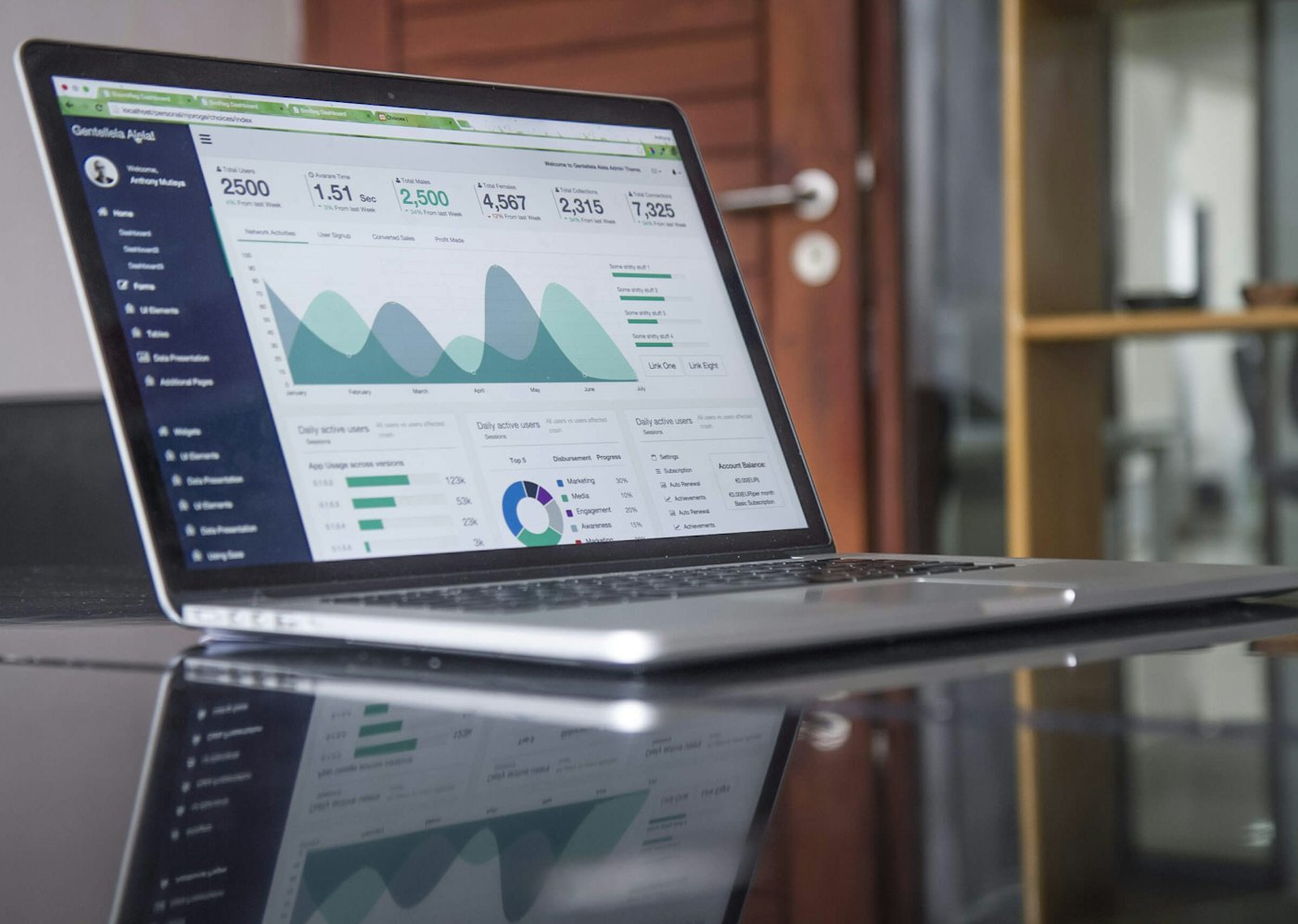
What Is an ePaper CMS? How Publishers Manage Digital Editions
An ePaper CMS is the backend that lets publishers upload, schedule, and manage digital editions without touching code. Here's how it works.
· 7 min read
Guides
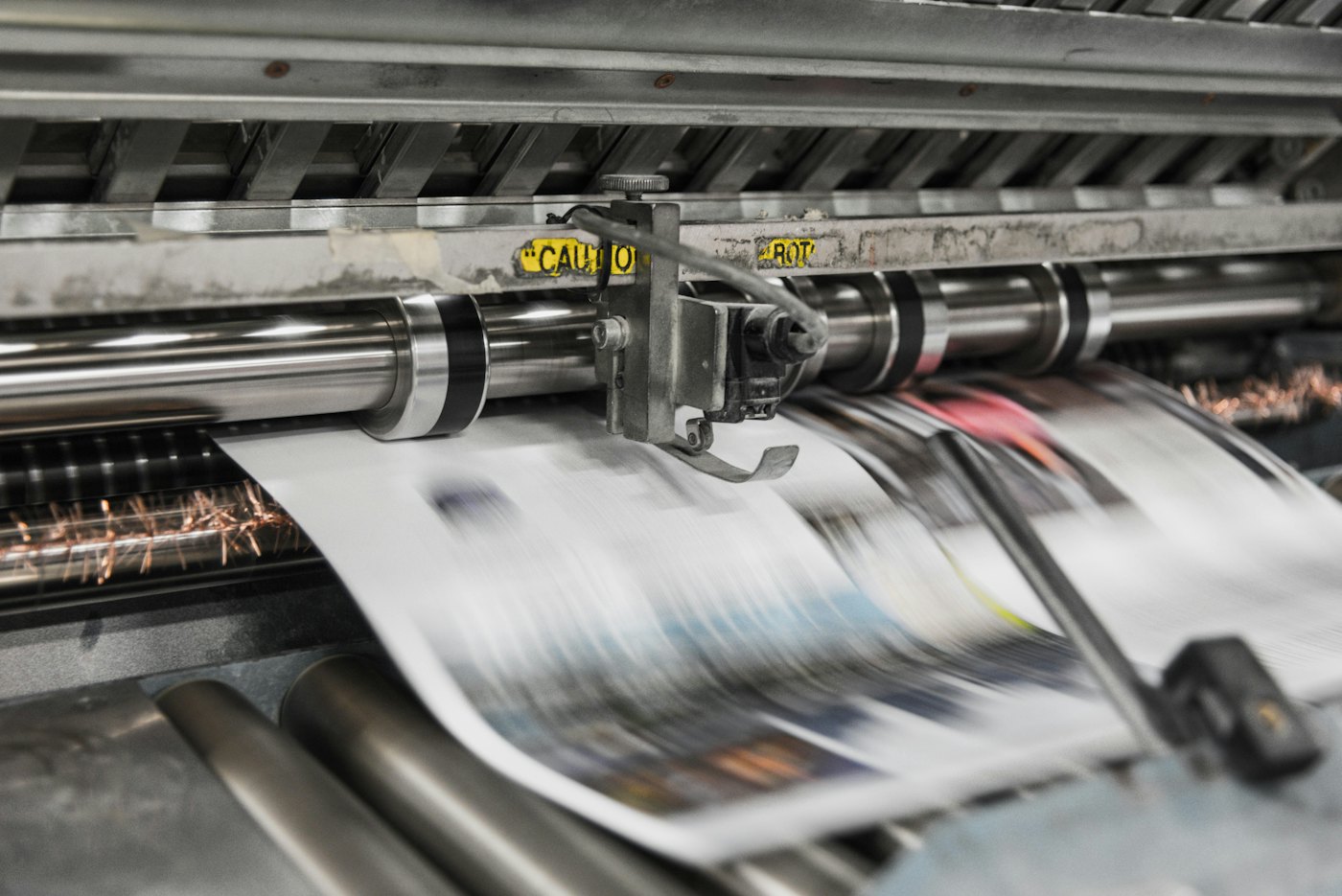
How to Publish a Newspaper Online: Step-by-Step Guide
Ready to take your newspaper online? This step-by-step guide covers everything from PDF preparation to publishing your first branded ePaper edition.
· 8 min read

Digital Publishing
Digital Newspaper vs. PDF: What's the Real Difference?
Posting a PDF online isn't the same as publishing a digital newspaper. Here's what separates the two, and why the difference matters for readers and revenue.
· 6 min read